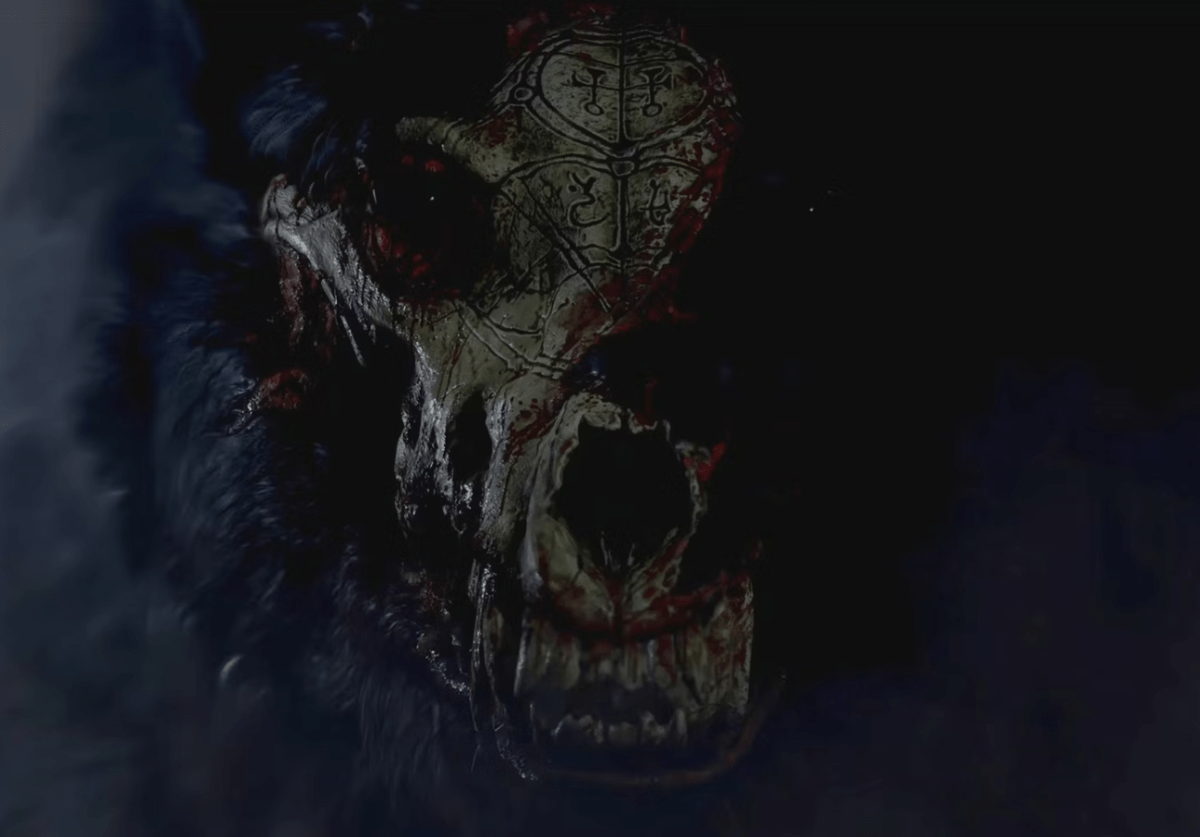
Diablo 4: Vessel of Hatred Impressions

[DISCLAIMER: A copy of Vessel of Hatred was provided for free by the publisher.]

Diablo 4 is a game that’s somewhat contentious to talk about. People level a lot of criticisms against the way it’s been designed and monetised, and I generally agree with a lot of those. However, this usually leads to people just calling it a massive disappointment, or even just not very good. That’s a sentiment I simply don’t agree with. The Platformers Podcast spent four hours doing a deep dive on it, going into the full breadth of the campaign and why we felt that it was quite strong. We all enjoyed it, and that was always the experience I took away from Diablo 4. I still think it’s absolutely a great game and worth playing, even if you just play through the campaign once and call it a day.

Well, I was given the opportunity to try out a review build for the upcoming Vessel of Hatred expansion. I was a little hesitant going into this, as I felt that the ending of the base campaign was stronger if time was allowed to pass and a direct follow-up act didn’t happen right away. The consequences and uncertainty that the story left off on seemed like they should linger for a while, and the major antagonist we face going forward instead be left to take a back seat until Diablo 5 or similarly. I worried that it might end up spoiling how the ending lands. While I’ll go into more of that later, I can say that the expansion doesn’t invalidate things or spoil the tone of the original ending. They managed to thread that needle well, and the writing quality remains very good in the expansion, even if it simply doesn’t have the run time needed to develop everything quite as well. The highs aren’t quite as high.

But that’s just the story aspects. As to the rest… well, frankly? Vessel of Hatred isn’t likely to change anyone’s pre-existing sentiments about Diablo 4. If you already enjoy the game, then this is more of the same things that likely drew you in originally. If you didn’t care for the game, then this is not a Reaper of Souls situation; Diablo 4 is not being overhauled from the ground up with this one. It’s also safe to say that Diablo 4 really didn’t need the kind of instrinsic and fundamental overhaul to its structure that was needed for Reaper of Souls to make Diablo 3 an actually good game, though. Even the staunchest critics of Diablo 4 would likely accept that as truth. 

Continue reading “Diablo 4: Vessel of Hatred Impressions”

Right Click to Zoom — The Value Proposition Issue of ARPGs

Welcome to this week’s iteration of Right Click to Zoom, the more in-depth article side of this blog. Today I’m going to be talking about the growing concept and issues of the value proposition of games, particularly how they relate to hack-and-slash action RPGs (referred to as ARPGs for the remainder of the article).

The idea of a value proposition is simple: it’s the idea that a product, in this case a video game, presents itself in its entirety and then asks the consumer for the purchase price. A user deciding that the game is too expensive or doesn’t offer enough gameplay, longevity, or some other criteria is saying that the proposition fails; it’s not worth the value they’re asking.

A number of these concepts can be applied to video games as a whole, but I’m going to relate them back to this one genre for the sake of the article today. This is largely because they are a kind of game that can fall into this discussion fairly quickly by the very nature of how they play. To demonstrate what I mean, let’s start with the poster child of the hack-and-slash ARPG genre: the Diablo series.

The original Diablo is one of the more iconic games of its time, releasing nearly a year before the first Fallout game and simplifying the oft convoluted RPG genre down to a more accessible format. The huge, complex and intricate worlds with fiddly systems of the Ultima series and its ilk were instead reduced to a single town. From this town, you would descend into the catacombs beneath the cathedral, diving deeper until you reached Hell itself to defeat titular demon Diablo.

While still gaining power through traditional level ups, much of your character’s strength came from the randomised loot that would drop as you explored. Some drops were guaranteed from quests that would appear within the dungeon, but they too were randomly assigned; not everyone would find the quest to kill the Butcher or the Skeleton King in their run. You could play through it multiple times and still discover something new, and the same character could become wildly skewed in power. This became the core of the hack-and-slash ARPG: the loot.

If Diablo popularised the concept and genre, Diablo 2 refined and polished it. More character classes, more intricate and variable skill trees, more in-depth storytelling and world building, a bigger world to explore and play with… but most importantly, more loot. Winning a whole slew of awards and quickly becoming the fastest selling video game in history at the time, Diablo 2 opened up the genre to more people than ever before.

The inclusion of additional difficulty levels encouraged repeat playthroughs with the one character. Combine this with a strong multiplayer aspect and options, and the game saw continual play for years afterwards. Arguably, that is where the problems inherent in the modern day perception of the genre began, and few points can highlight this better than the launch of the next game in the Diablo chain.

Continue reading “Right Click to Zoom — The Value Proposition Issue of ARPGs”