2021 wasn’t a bad year for games, but it also didn’t feel like a particularly inspiring one. There wasn’t really any single game that absolutely blew me away or changed my perspectives on the hobby like 2020 did. In fact, the opposite happened: the one game that I dared to let my guard down and hype up for myself ended up disappointing me beyond what I thought possible. You will not be seeing Final Fantasy 14’s Endwalker expansion on this list; that gets its own article later on, and it’ll be far less celebratory.

Still, let’s not be a total downer on what’s meant to highlight the best of the year. Not until the end of the article, anyway. So, I’m going to split this into two articles. The one you’re reading now is what I personally consider my top 10 for the year. There’ll be a follow up article not long after to cover other games I enjoyed this year that didn’t make the cut, either because I didn’t finish them or didn’t find them quite as complete. I’ll also mention what systems I played them on specifically.
Without further ado, the Delfies of 2021!
10. The Riftbreaker (PC)
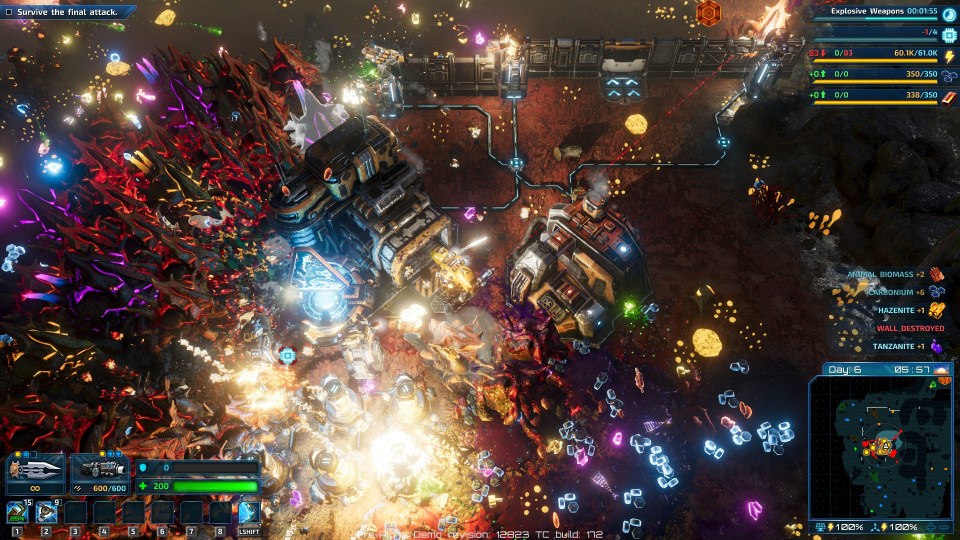
Having first played a demo of The Riftbreaker on a Steam Festival in 2020, this was a game I definitely had my eye on. I played the survival mode in a preview build on and off throughout 2021 as I waited for the full release. I thought that given how expertly it was juggling so many different game systems and mechanics, it’d struggle to stick the landing on the full version. Mercifully, that wasn’t the case, and the end result was a really solid game that I expect I’ll still be casually replaying for a while to come. There’s nothing quite like The Riftbreaker out there.
It’s got elements from all sorts of great games and genres. You build resource gathering supply chains like a simpler Factorio, using those to both build an increasingly fortified tower defence base. And if you aren’t using it for that, then you’re powering up your robot’s gear with a slew of interesting weapons and technology. The balance between returning to defend, going forth to expand or deal with a threat, and having to juggle everything in between really makes for a compelling game. That’s only heightened in the campaign, where you have to jump between multiple bases in different biomes and master the various threats to get the unique resources there for your ultimate conclusion. The Riftbreaker comes highly recommended.
9. Bravely Default 2 (Switch)
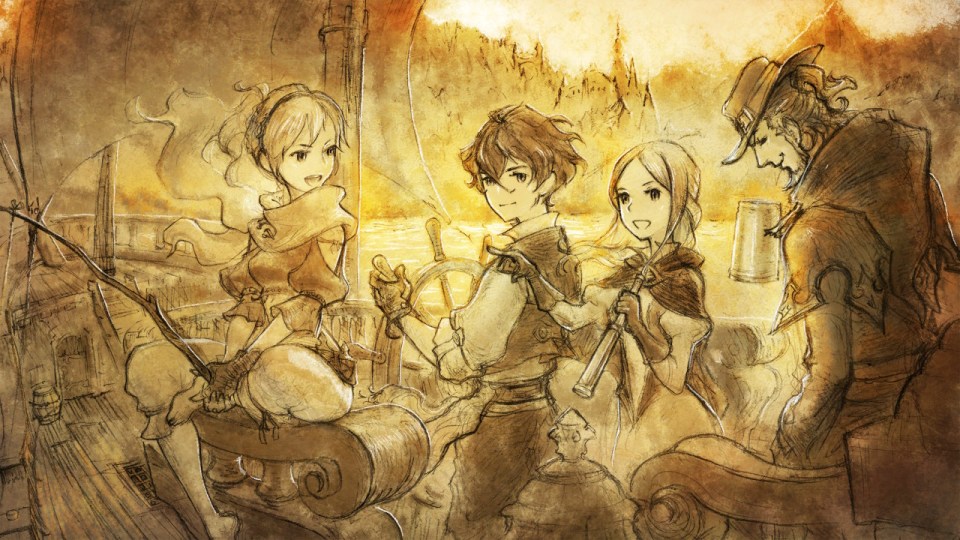
I took the opportunity to revisit the Bravely series at length already; you can read those here if you haven’t. Most of what I can say about Bravely Default 2 has been said there, so I’ll keep this one brief as a result. Bravely Default 2 feels like the most modern version of a classic JRPG job system out there. The ability to mix and match your setups, jobs, and abilities makes for a really compelling loop that encourages breaking the game wide open.
Had it just been a simple JRPG with a charming story and the strong systems at play, that’d be enough. Bravely Default 2 plays its story and tone so straight despite the pleasant nature of it that it almost feels frustrating. But when it finally pulls out its punches so late in the game, it really did capture my attention and elevate the game drastically. I do encourage JRPG fans who might’ve skipped over it to give it a shot and stick it out. It’s well worth your time.
8. Loop Hero (PC)
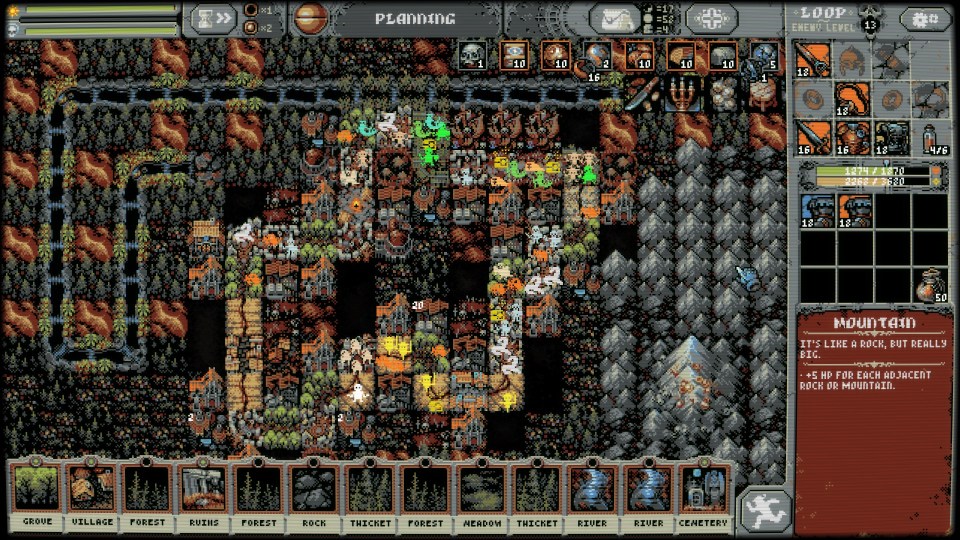
Being a creature of compulsion as I am, I’ve spent far too long playing idle games. The loops of seeing the numbers and developments grow exponentially is an addictive tendency that I’ve forced myself away from. Loop Hero, then, takes that same addictive quality but then actually puts a really strong game in there. Though much of the process is done automatically, I’m still making the decisions on how the board is laid out, which items and abilities I’m taking, and which resources to prioritise acquiring. Then I take my gains back to base, build it up, learn more of the interesting lore and do it all again.
From the moment this game came out until I had more or less “completed” it, Loop Hero dominated my attention and focus. Even if I was just running it idly while multitasking, I was never far from it. This is a really well designed, highly polished and horribly addictive little game. Even the low tech art style and soundtrack complement it exquisitely. There’s even been a free update or two since release, so I should really go back and lose myself to it all over again…
7. Lost Judgment (PS4)
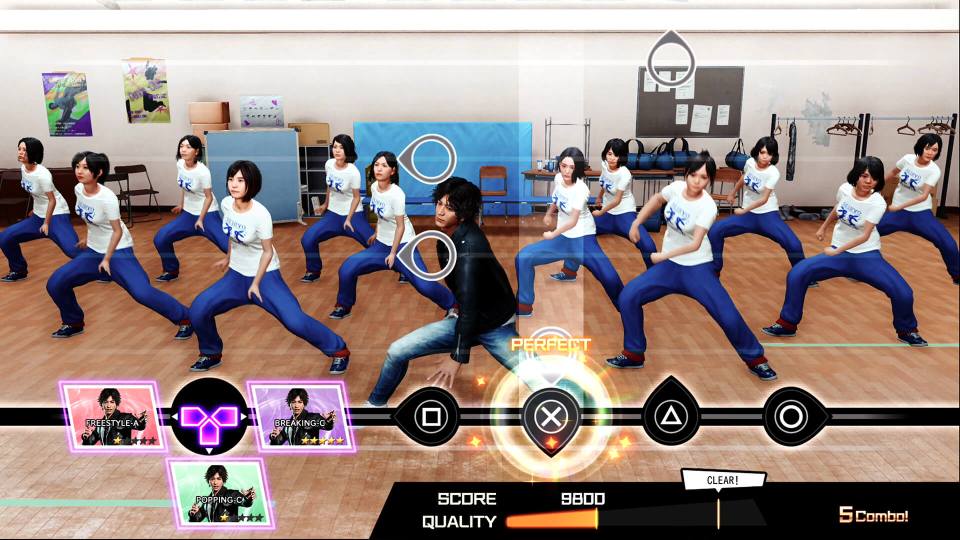
Waaaait a second. The latest Yakuza game is this low on Delf’s list, despite it being a game that he loved? Sadly, the sequel to my much loved Judgment is something of a mixed bag. Combat has been improved from the original considerably, with a new style being added and all three finding their own niche and uses. The scope and content in both Kamurocho and Yokohama is as extensive as ever. This is still the latest and greatest way to experience virtual tourism in Japan, and there’s a ton of content to experience and build towards a greater whole. Whenever I need to fight off the ever-present Yakuza withdrawals, I suspect Lost Judgment will be one I gravitate towards for a while to come.
What lets Lost Judgment down for me is the story. It certainly has its moments and highs, as well as being some of the most confronting and brutal the series has ever dared to be. I like the overall package, but it really takes a while to get going. The focus on school bullying and the various ramifications of that in the early parts of the story tend to backfire and misstep just as often as they make meaningful commentary, though. It does eventually find its footing, but those early days end up sacrificing too much narrative consistency for the sake of both gameplay and, of all things, providing anime references.
All throughout,the main character Yagami felt… flat. He lacks the personality or character of other leading roles in the series. Sadly, his character arc was mostly completed in the first game, where it wove into the story so much better. This was very much a case where the supporting cast were so much more compelling than Yagami. There’s a very real chance he won’t be the lead in the future given the issues with the talent agency behind his real world actor, so I guess we’ll see how the Kaito-centric DLC feels instead. So yes. A great game overall, but kinda middling for the Yakuza franchise to me.
6. Gnosia (Switch)
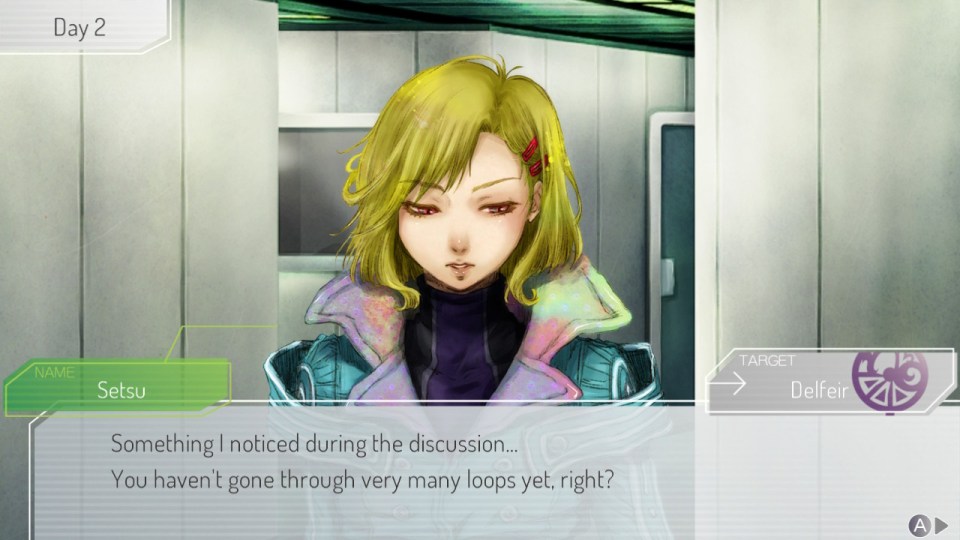
Once again, I’ve reviewed this one in another article, so I’ll keep it short. I’m still surprised by how much Gnosia managed to grab me. Taking the social game aspects of Mafia-esque titles — and let’s be real these days, that means Among Us — and distilling them into a single-player RPG was a strange choice, but it paid off. The interesting and eclectic collection of characters made for compelling counterparts, and I really enjoyed digging into their stories and finding out more about them.
Ultimately, the game did a great job of wrapping up its time loop story in a way that seemed bittersweet, only to surprise with a true ending that tied everything together in a perfect bow. This was definitely an interesting little game, and one I’m genuinely glad I took the chance on experiencing. It continues to largely fly under the radar though, so I would heartily encourage anyone who thinks it sounds interesting to take the plunge.
5. Shin Megami Tensei 5 (Switch)
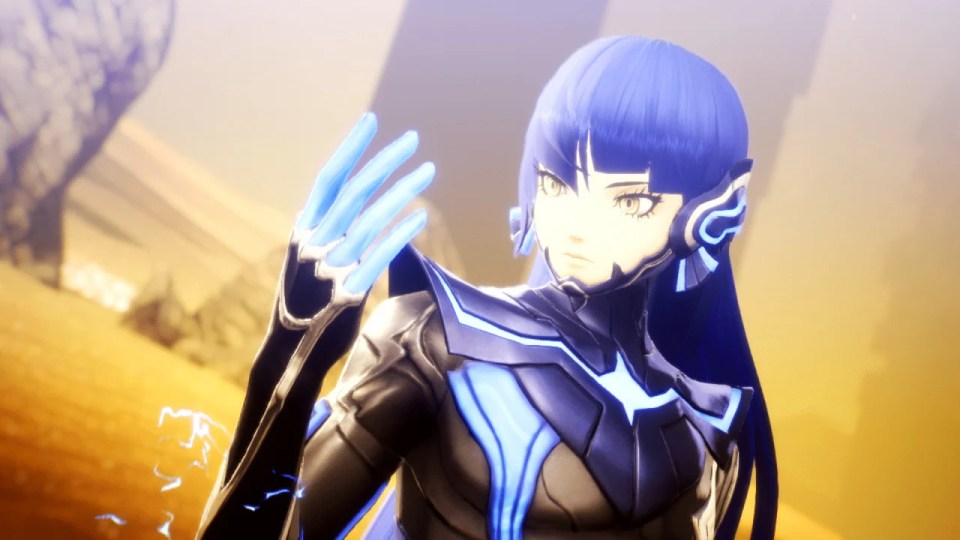
If Bravely Default 2 was the modern take on a JRPG job system, Shin Megami Tensei 5 continues the series trend of being the most modern and well-executed take on turn-based JRPG battle systems. Wrap that up with a kind of monster catching, party developing system that frankly embarrasses the increasingly stale Pokemon, and you have a real winner. To further those systems though, SMT5 expanded its scope to larger, more open areas with plenty of hidden corners to explore, Xenoblade style. From start to finish, I was enthralled by this game and eager to continue.
That eagerness was both driven — and somewhat disappointed by — the story and lore of the world. Shin Megami Tensei differs from the character-driven narratives of Persona games by using its characters to serve as caricature avatars of the warring ideological beliefs at play. It’s a sociological story, not a psychological one, which is true of all the main line SMT games. To SMT5’s detriment, it takes a very long time to really get going and revealing its hand. When it does, it becomes instantly engaging — especially to someone who can see all the potential links and nods to the world of SMT3: Nocturne — but boy can it slog at first. At least the battle system and beautifully bleak world design keep you going effortlessly until it does.
There’s also something more to Shin Megami Tensei 5 that is hard to pin down. It almost feels… dirty, and I mean that in the best possible way. The music is rough, distorted, and unfocused. The colourful demon designs feel at odds with the post-apocalyptic wasteland they inhabit. And the game absolutely struggles to run competently at every moment, with frame drops and slowdown all over. Yet somehow, that almost feels like a stylistic choice! It’s so bizarre, yet when it wants to be, it can be jaw-droppingly breathtaking in its design. While I don’t think it manages to hit the same high for me as SMT3 does, it’s a damn close attempt. Just don’t go in expecting Persona 5 like a certain infamous review; it isn’t, nor was it ever intended to be.
4. Inscryption (PC)
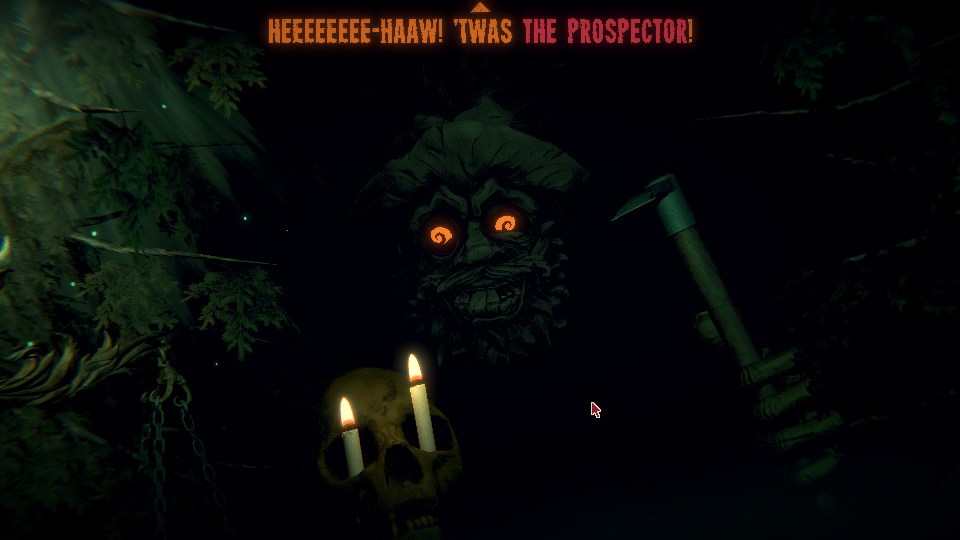
I’ll say it now: the only thing keeping this game from being higher on the list is the fact that the gameplay is just better in the first act of the game. The subsequent acts have interesting styles, mechanics, and meta-commentary on the flow of the game to keep them compelling through to the end. But it’s a known fact that acts 2 and 3 just aren’t as engaging, partly by design (Leshy is just a better storyteller), but partly incidentally.
Everything else about this game kicks ass, though. The deck building roguelite nature of the game is interesting on its own, but combining it with a sort of escape room scenario that you step in and out of gave a real twist to the Hand of Fate style game. The narrative is fascinating, compounded even further with the ARG that ran alongside it. Even divorced from that though, Inscryption is a fantastic game that I can’t recommend enough. Do try to go in knowing as little as possible for best results.
3. Metroid Dread (Switch)
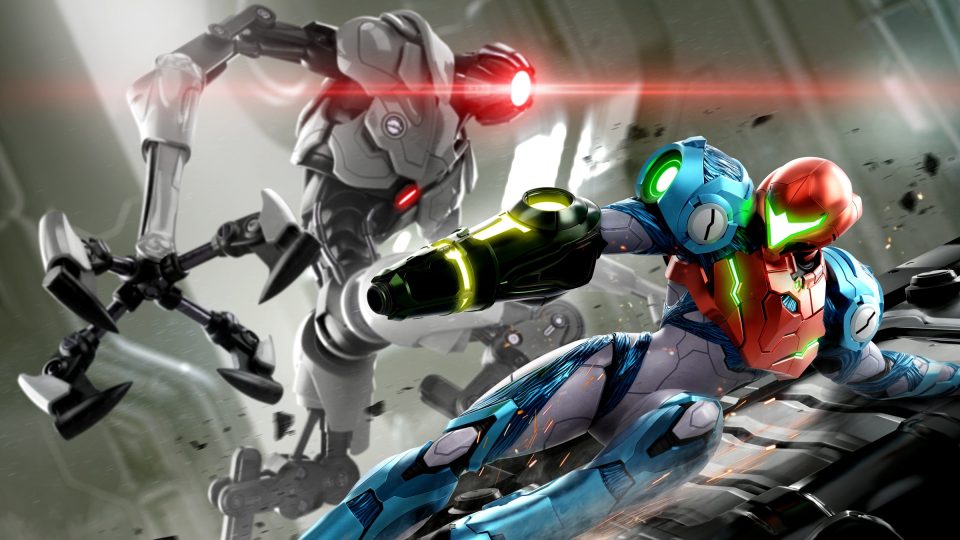
Despite what I said at the start of this piece, the hype I dared experience didn’t let me completely down in 2021. No, we got a new non-remake 2D Metroid game after all these years, and it was really damn good. It’s absolutely not perfect, and it leans more into the fast-paced action field than the more measured and moody approach of Super Metroid (which I still consider the best in the series), but Dread is otherwise a highlight of the franchise.
Gone are the issues of level design that came from Mercury Steam’s previous foray, given that it’s a wholly original game and not built from 30 year old layouts. The parry system isn’t leaned on quite so heavily, becoming a more balanced tool in Samus’ arsenal. Movement and animations are slick, and it’s probably the most agile and capable Samus has ever felt in a Metroid game. Whatever complaints I had ended up being incredibly minor; as soon as I finished the game, I went and replayed other Metroid games to sate the thirst Dread left with me, only to immediately replay it when they couldn’t do so. The announcement was a supremely welcome surprise, but the quality of the end result is just as surprising.
2. Wildermyth (PC)
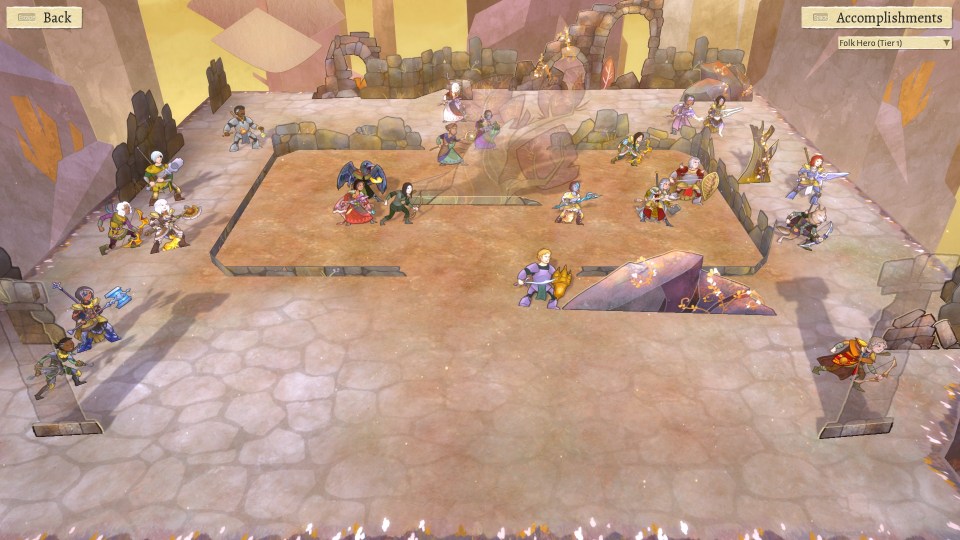
It’s hard to think of a game I’ve played recently that had more charm than Wildermyth. Mechanically, it’s a small-scale turn-based strategy/RPG with functional gameplay systems and options. It’s everything else that carries this game so high in my favour, though. The art, sound, and style are all gorgeous and stylised in a way to really sell the setting — both the wilderness and the mythical parts of the title.
But more than anything, the procedural generation of the game leads to fascinating character-driven narratives. Creating a handful of ragtag adventurers and seeing them go through a campaign, finding new sources of power and transformation, forming relationships and rivalries, and aging through their life as it proceeds? The potential for storytelling is immense, and I’ve had an amazing amount of fun just creating characters (or borrowing them from other settings) to see where their lives and adventures lead. Throw in the fact that you build a stable of legacy characters which can show up in other campaigns or moments to further their stories, and you have something truly special.
Wildermyth isn’t for everyone, but it is absolutely for me. Every time I’ve booted it up, I found myself charmed and captivated like little else this year. In fact, I think I owe it a new campaign quite soon.
1. NEO: The World Ends With You (Switch)
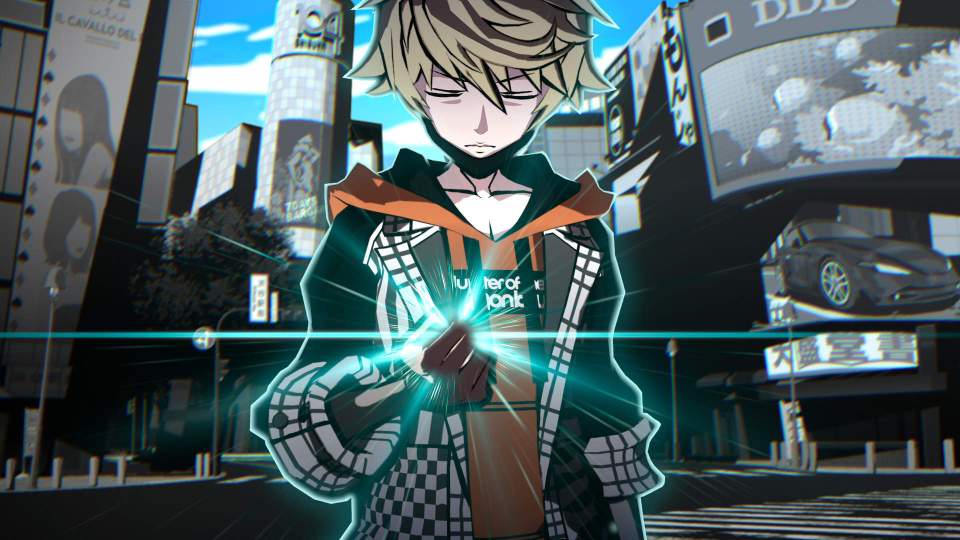
It was a damn good year for JRPGs this year, and I still didn’t even get to play through all the ones I wanted to. But I did immediately play through NEO: The World Ends With You on release, and instantly fell in love with it. The original game is still one of the best titles on the DS, with such a richly compelling contemporary setting and a huge focus on its style and aesthetics. While that story was already complete and self-contained, it was a setting that begged to be revisited, even if it wasn’t a direct sequel. Somehow though, they managed to make it a true sequel that only further expands and highlights the original.
On its own, the narrative probably isn’t as tight as the original game, but NEO TWEWY is still nonetheless very strong. The new cast of characters is an interesting blend that fits in seamlessly, and many go through their own arcs and come out stronger for it by the end. Weave this in with a few key characters returning and joining both new and old narratives together into a compelling whole, and you have an instant hit. It also helps that the new battle system is just so damn fun, with each party member representing an input button that has to be juggled into a well-oiled team. Everything comes together, and it really did feel like the game that resonated with me most this year, unquestioningly.
I never thought we’d get a new The World Ends With You game after more than a decade. But we did, and the greatest gift of all was just how good it was for that wait. Once again, it wraps up in a complete package that leaves a satisfying ending if this is, indeed, how the series ends. Once again though, the setting remains compelling and begs the opportunity to further explore it. It’s still such a niche thing that basically came and went without fanfare, and Square Enix will probably never deign to do so again. But I’m glad I had one more chance to see it. NEO: The World Ends With You is my GOTY for 2021.
So here we are. 2021 is behind us, and it left me even more exhausted and worse off than 2020 did. That one was a bad year for the world at large, but I managed to get through it relatively unscathed. Writing for DualShockers was a great way to keep me focused on doing what mattered to me. The corporate acquisition and immediate implosion of the website at the beginning of 2021 made that impossible to repeat, and sadly my own efforts have failed to match it.
The state of both the games industry and games media really doesn’t compel me to keep pushing for it, either. This has been a year of absolute horror stories as the real conditions and state of triple A companies and the “industry” has been in the limelight. Activision Blizzard is only the most notorious, but far from the only one. Then there’s the push for NFTs and new ways of exploitation and monetisation competing for the already limited resources and PC parts in circulation. It’s a mess, and I can only take some small solace in the fact that people generally seem to be pushing back against it en masse. It’s also been helping put more attention on the indie games that matter, so that’s something.
I’m not sure what the future holds for me or if I’ll really find the drive — let alone the health — to actually make something of this website and my writing again. But hey, what else is there? Might as well do something with all this. We’ll see.
Whatever the case, the bonus round of 2021’s honourable mentions will be along soon. Thanks for coming along this far if you did make it through this list, and hopefully you’ll enjoy both it and whatever comes next. Until next time!

 Delfeir vs. the Backlog
One thought on “The Delfies 2021: Top 10”